

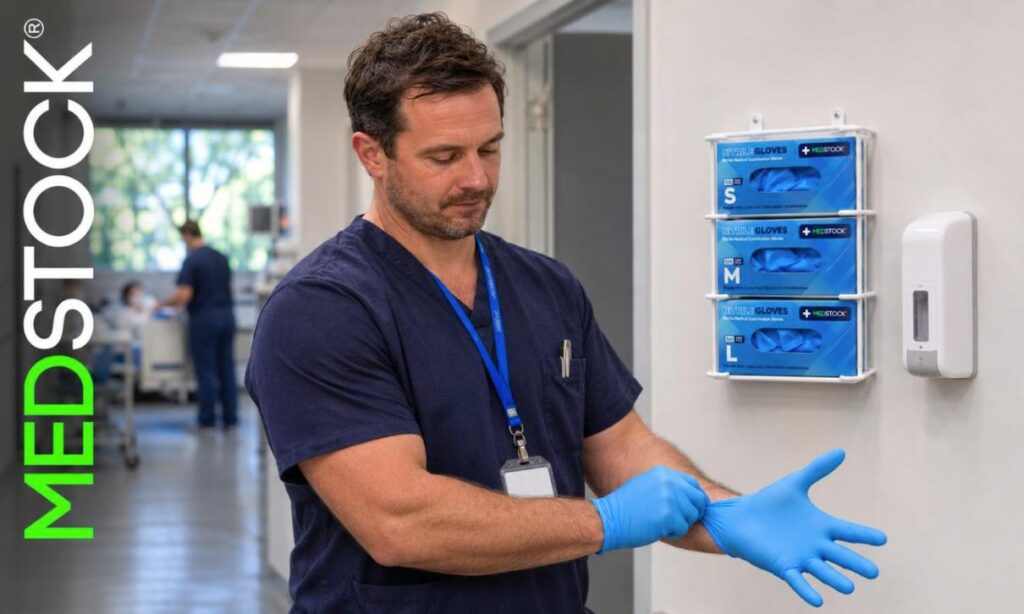
Today, it would be unimaginable for a doctor to perform an autopsy then deliver a baby with unsterilised, ungloved hands.
In 1847, Ignaz Semmelweis realised that this behaviour explained the high maternal mortality rates at one Vienna clinic. His recommendation that doctors scrub their hands in a chlorinated lime solution before every patient contact dramatically cut the maternal mortality rate. Nearly 180 years later, hand hygiene is now embedded into present clinical practice, with Australian public hospitals achieving an 87% compliance rate.
Infection Prevention and Control Week 2026 focuses on the theme of past, present, protected. While hand hygiene is one of the most familiar examples, it now sits within a much wider infection-prevention system shaped by research, surveillance and lessons learned across healthcare settings. Infection prevention and control is the accumulated result of countless small actions taken consistently across many different settings, including hospitals, clinics, pharmacies, aged care, workplaces and homes.
Hand hygiene remains fundamental
The National Hand Hygiene Initiative audits five moments in hospital-based care:
- before touching a patient – 83% compliance
- before a procedure – 92% compliance
- after a procedure or body fluid exposure – 93% compliance
- after touching a patient – 89% compliance
- after touching a patient’s surroundings – 81%.
While all 5 moments exceed the 80% benchmark, compliance is notably lower in the more routine moments. Infection risk is often easiest to recognise during an obvious procedure or exposure event. Routine movement between patients, surfaces, equipment and tasks may attract less attention, even though the same principles still apply.
Maintaining infection control behaviours
Every healthcare worker understands the importance of hand hygiene – but also knows how hard it can be to maintain in the realities of today’s healthcare system.
In a small 2025 qualitative study, 27 nurses from six surgical and orthopaedic units in Sweden described a challenging, dynamic work environment. Hygiene behaviours could fail for many reasons including:
- interruptions that break concentration
- stress and staff turnover
- shortening or skipping routines due to time pressures
- hygiene supplies running out or not being where they were needed
- not speaking up when colleagues skipped hand hygiene.
What hospital buyers can influence
The Swedish nurses described a dilemma. Supporting an unsteady patient in the bathroom, staff could either leave the patient alone to fetch gloves or continue care without them. In that moment, the less hygienic choice was arguably the safer one for the patient.
The AIHW names the placement and availability of hand hygiene products among the factors influencing hospital compliance rates. Procurement can’t fix workforce constraints, but it can ensure the right supplies are within easy reach wherever they’re likely to be needed.
If you buy for a hospital or aged care provider, then put IPC Week 2026 to good use. Stand in a few places where care happens and:
- count the steps to the nearest hand rub
- check where the gloves are kept and whether the size range suits the staff
- ensure gowns and gloves match the needs of the department, including handling chemicals and chemotherapy drugs
- ask staff if any gaps should be fixed – the Swedish nurses who couldn’t reach gloves from the bathroom would have told you.
Infection prevention and control in community settings
Community pharmacies play a key role in helping consumers prevent or manage infections by:
- stocking items such as sterile dressings, antimicrobials, hand sanitiser, face masks, sharps disposal bins, and nitrile gloves
- advising consumers on behaviours such as hand hygiene, dressing changes, or sharps disposal
- advising consumers on when to seek medical attention for a worsening infection.
Pharmacies can use IPC Week 2026 as a reminder to check stock levels and ensure supplies are easy for consumers to find on the shelf.

Staying protected
Pathogens are relentless, so outwitting them requires constant vigilance. In routine moments, it’s tempting to skip steps that would help prevent infection, especially if the necessary supplies are not within reach.
Medstock’s product range includes latex-free, powder-free nitrile examination gloves able to protect against chemotherapy agents, AAMI Level 2 and Level 4 disposable isolation gowns, and colour-coded wound-care products used in community and hospital settings.
Contact us on 1300 652 763 or sales@medstock.com.au.
Disclaimer: This information is intended for healthcare professionals.
